
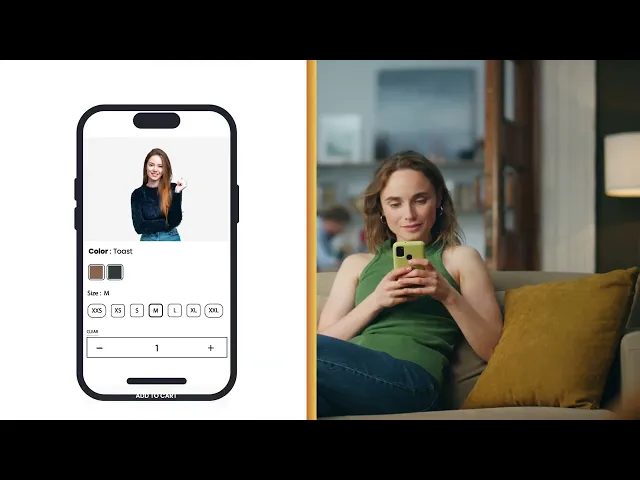
March 9, 2026
Virtual Try-On for WooCommerce: The Shopping Trend That Will Define Ecommerce in 2026
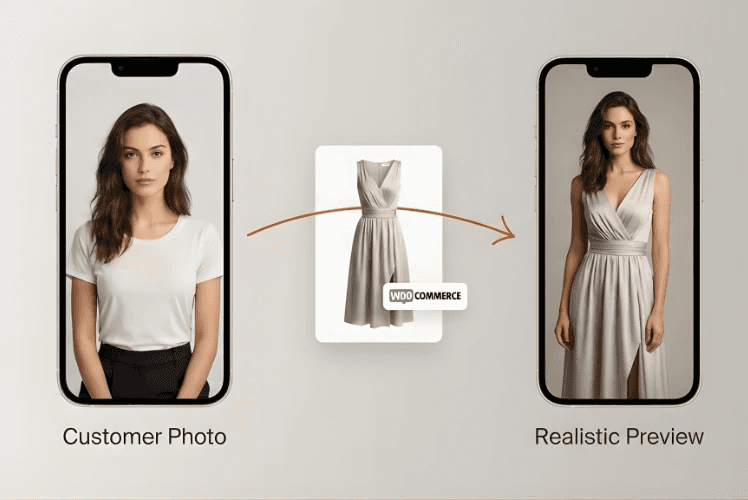
Online fashion shopping has always had one major problem: customers can’t see how clothes will actually look on them before buying.
Sizing charts help. Product photos help. Reviews help.
But none of them solve the real question customers have when they land on a product page:
“Will this look good on me?”
That’s exactly why Virtual Try-On for WooCommerce is becoming one of the most important ecommerce technologies in 2026.
Brands are moving from static product images to interactive shopping experiences, where customers can upload a photo and instantly preview how a garment might look on them.
In this article we’ll explore:
What Virtual Try-On for WooCommerce is
Why it’s becoming a major ecommerce trend in 2026
The benefits for online stores
How it increases conversions and reduces returns
Why fashion merchants should start adopting it now
What is Virtual Try-On for WooCommerce?
Virtual Try-On for WooCommerce is a technology that allows customers to see themselves wearing a product before purchasing it.
Instead of imagining how a product will look, shoppers can:
Upload a photo of themselves
Select a clothing item from the store
Generate an AI preview of how the item could look on them
This creates a visual mockup of the shopper wearing the product, directly inside the product page.
The experience is similar to a digital fitting room — but designed specifically for fast ecommerce interactions.
Unlike complex AR solutions, modern virtual try-on systems focus on:
Simple photo upload
Fast image generation
High-quality visual previews
Seamless integration with WooCommerce product pages
This makes the technology practical for real ecommerce stores.
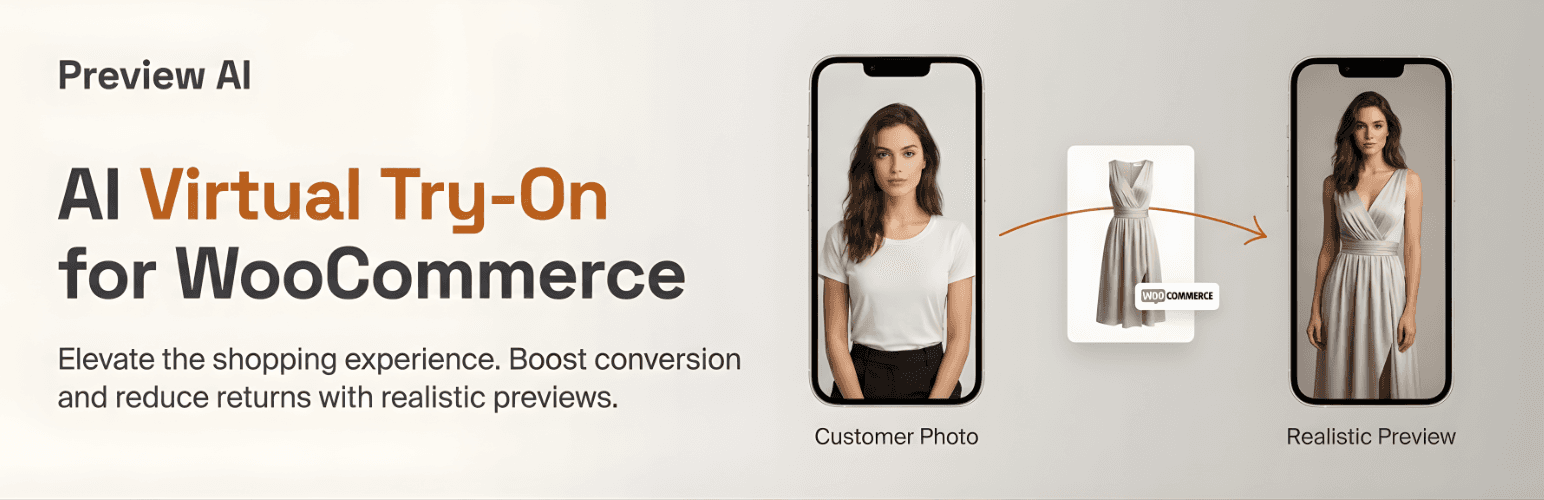
Why Virtual Try-On Is a Major Ecommerce Trend in 2026
The ecommerce landscape is evolving quickly.
Customers expect more interactive and personalized shopping experiences, especially in fashion.
Several trends are pushing the adoption of virtual try-on technology:
1. AI Image Generation Has Become Accessible
Recent advances in AI image generation allow systems to combine a customer photo with a product image to generate realistic previews.
This means online stores can now offer visual try-on experiences without expensive AR development.
AI makes it possible to deliver these previews in seconds.
2. Consumers Want More Confidence Before Buying
One of the biggest reasons customers abandon carts in fashion ecommerce is uncertainty.
Common doubts include:
Will this fit my body type?
Will the color suit me?
Will this style look good on me?
Virtual try-on reduces this uncertainty by giving shoppers a visual reference before purchasing.
3. Returns Are Costing Fashion Stores Millions
Fashion ecommerce has some of the highest return rates in online retail.
Many returns happen because:
The product looked different than expected
The style didn’t suit the buyer
The customer changed their mind after trying it
Virtual previews help shoppers make more informed purchase decisions, which can reduce unnecessary returns.
4. Interactive Shopping Drives Higher Engagement
Product pages with interactive features keep users engaged longer.
When customers upload a photo and generate previews, they:
Spend more time on the product page
Explore multiple products
Feel more involved in the buying process
This often leads to higher conversion rates.
Key Benefits of Virtual Try-On for WooCommerce Stores
For merchants running WooCommerce fashion stores, virtual try-on can deliver real business value.
Higher Conversion Rates
When customers can visualize themselves wearing a product, they feel more confident about buying it.
This removes a major barrier to purchase and can increase product page conversions.
Reduced Product Returns
Returns are expensive.
Processing costs, logistics, and lost inventory margins can quickly add up.
By helping shoppers preview items before purchasing, stores can reduce uncertainty and minimize returns.
A More Modern Shopping Experience
Virtual try-on creates a memorable shopping experience.
Instead of static images, customers interact with the product in a personal way.
This makes the store feel:
Innovative
Customer-focused
Technologically advanced
Stronger Product Page Engagement
When users generate previews, they actively interact with the product page.
This increases:
Time on page
Product exploration
Emotional connection with the product
All of these signals improve the chances of conversion.
How Virtual Try-On Works in WooCommerce
Modern solutions integrate directly into WooCommerce product pages.
The experience is typically very simple for shoppers:
1️⃣ The customer opens a product page
2️⃣ A “Preview on You” button appears
3️⃣ The shopper uploads a photo
4️⃣ The system generates a visual preview
5️⃣ The customer can review the result before buying
The entire process can happen in under 10 seconds, making it fast enough for real ecommerce use.
The Future of Fashion Ecommerce
The future of online shopping is moving toward visual, personalized experiences.
Static product photos will no longer be enough.
Shoppers increasingly expect tools that help them:
visualize products
personalize the experience
make more confident purchase decisions
Virtual try-on technology is becoming one of the key innovations driving this shift.
Fashion brands that adopt it early will gain an advantage by offering a more interactive and confidence-driven shopping experience.
Final Thoughts
Virtual Try-On for WooCommerce is not just a novelty feature.
It represents a new way of shopping online.
By allowing customers to preview how clothing might look on them before buying, stores can:
increase shopper confidence
improve engagement
reduce uncertainty
potentially reduce returns
As AI continues to evolve, these experiences will become a standard expectation in fashion ecommerce.
Stores that adopt virtual try-on early will be better positioned to meet the expectations of the next generation of online shoppers.
If you run a fashion WooCommerce store, now is the perfect time to start exploring how Virtual Try-On technology can transform your product pages and improve your customer experience.