
April 13, 2026
H&M Virtual Try-On: How It Works
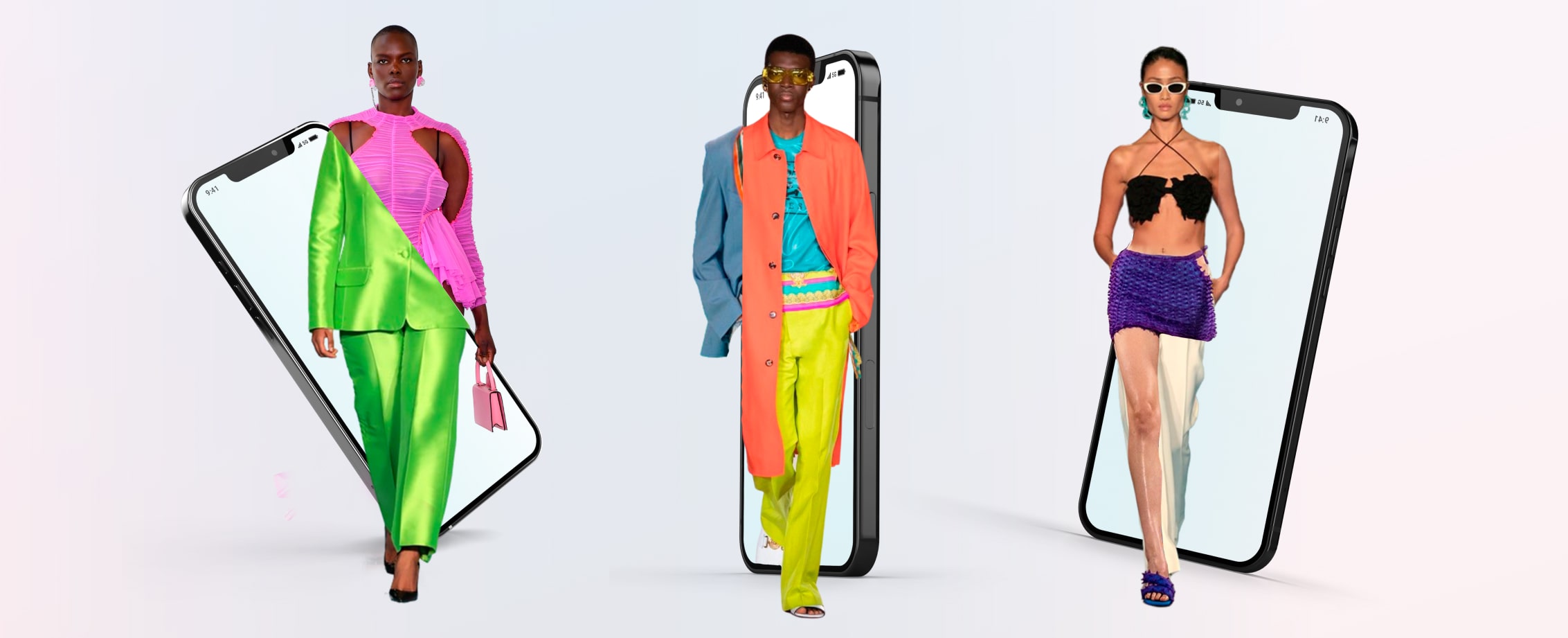
H&M Virtual Try-On: How It Works and Why It's Changing Online Fashion
Picture trying on 20 outfits in under two minutes — without leaving your couch. That's exactly what H&M is building with its virtual try-on technology: a shopping experience where customers see how clothes fit before they buy, no changing room required.
In 2024, H&M went all in on this technology, and the numbers back it up: a 24% increase in click-through rate in pilot markets, and a 45% reduction in production costs by eliminating physical photo shoots. This isn't a side experiment. It's the future of fashion retail.
In this post, we break down exactly how H&M's virtual try-on works, what technology powers it, and — most importantly for online store owners — how you can bring the same experience to your customers without being H&M.
What Is H&M's Virtual Try-On?
H&M's virtual try-on is a system that combines artificial intelligence, augmented reality (AR), and 3D body scanning to let shoppers see how a garment would look on them before adding it to cart.
Unlike basic product zoom or size guides, the system visualizes clothing adapted to the user's actual silhouette — with realistic fabric drape, movement, and fit.
H&M delivers this experience across multiple touchpoints: through the H&M app with AR powered by Snap Inc., on the H&M website integrated with Google Shopping AI for women's tops in the US, in physical stores via 3D body scanning kiosks in Germany and Japan, through Snapchat AR lenses, and even inside a Roblox metaverse store with full avatar dressing.
The Technology Behind the Virtual Fitting Room
3D Body Scanning and Digital Avatars
In its pilot stores, H&M uses NeXR technology to scan a customer's body using a smartphone camera. Within seconds, the system generates a 3D avatar with the shopper's real measurements. That avatar can then try on clothes virtually — with realistic simulation of how fabric falls, wraps, and moves.
Augmented Reality via Snap
For the digital channel, H&M partnered with Snap Inc. and its Camera Kit. This powers AR try-on experiences inside both the H&M app and Snapchat, letting users "wear" virtual garments in real time through their phone camera. The London-based Institute of Digital Fashion (IoDF) co-designs the digital garments used in these experiences.
AI Digital Twins of Real Models
In March 2024, H&M announced a partnership with Uncut to create digital twins of 30 real-life models — with each model retaining ownership rights to their AI-generated likeness. The result: H&M can generate product imagery without physical photo shoots, with models that better represent the diversity of its customers.
Google Shopping Integration
In the United States, H&M is integrated with Google's AI virtual try-on for Google Shopping. Shoppers searching for H&M products on Google can see how items look on different body types directly in search results — without clicking through to the site.
What Results Is H&M Getting?
The data from pilot markets speaks for itself. H&M has achieved a 24% increase in click-through rate, a 45% reduction in production costs, and is actively measuring returns reduction across markets. The full 3D experience is live in Germany and Japan, with Google Shopping integration active in the United States.
The broader market context: the virtual fitting room industry is projected to reach $32.29 billion by 2033. Brands that adopt the technology early are building a competitive moat that latecomers will struggle to close.
H&M vs. Zara: Who's Winning the Virtual Try-On Race?
If H&M's virtual try-on sounds advanced, Zara has pushed further in some areas. Zara offers broader geographic availability and full app integration, and is one of the few fashion brands compatible with Apple Vision Pro. H&M, on the other hand, leads in Google Shopping integration in the US and has taken a stronger stance on model rights and data ethics — each model retains ownership of their digital twin, which is a meaningful differentiator.
The takeaway: Zara has a more mature rollout in Western markets, but H&M is building a stronger foundation in the Google ecosystem and in sustainability-driven production.
H&M's Virtual Try-On Limitations (What Nobody Talks About)
Not all catalog items support virtual try-on. The current focus is on women's tops, accessories, and select denim — most of the catalog is still excluded. The full 3D body scanning experience is only live in Germany and Japan, so shoppers in other markets get a more limited version. Creating a digital avatar also requires uploading photos or body data, which raises legitimate privacy questions. And multiple users report that virtual fit doesn't always translate to real fit — the technology is improving, but there's still a gap.
What If Your Store Could Do the Same?
Here's the question that matters if you run an online fashion store: do you need to be H&M to offer virtual try-on? You don't.
What H&M has built with enterprise budgets and years of R&D is now accessible to mid-sized stores through specialized solutions. If you run WooCommerce, there's technology available today that lets you add a virtual try-on experience directly to your product pages — no custom development, no Snap partnership required.
Preview AI is a WooCommerce plugin that lets your customers visualize products on their own image before purchasing — the exact same logic H&M is applying at enterprise scale, built for independent fashion stores. Same outcome: fewer returns, higher purchase confidence, better conversion.
→ See how Preview AI works for WooCommerce
Virtual Try-On Is No Longer Optional
H&M isn't experimenting. It's executing. And the results — 24% more clicks, 45% lower costs — confirm that virtual try-on isn't a luxury feature. It's a real competitive advantage.
The good news is that this technology is no longer exclusive to global fashion giants. If you sell clothing online, the tools to offer this experience exist today, they're affordable, and they plug directly into your WooCommerce store.
The question isn't whether to add virtual try-on. The question is how much longer you can afford not to.